Buy dastan.eu ?
We are moving the project
dastan.eu .
Are you interested in purchasing the domain
dastan.eu ?
domain@kv-gmbh.de · 0541-91531010
Buy dastan.eu ?
What is the language of Benjamin Whorf?
Benjamin Whorf was an American linguist who studied and wrote about the relationship between language, thought, and culture. He is best known for his work on the concept of linguistic relativity, which suggests that the structure and vocabulary of a language can shape the way its speakers perceive and think about the world. Whorf was proficient in several languages, including English, German, French, and classical languages such as Latin and Greek. However, his most significant contributions were in the study of the Native American languages of Mesoamerica, particularly the Hopi language. **
How current is the Sapir-Whorf hypothesis?
The Sapir-Whorf hypothesis, also known as linguistic relativity, is still a topic of debate in the field of linguistics and cognitive science. While some researchers argue that language does influence thought and perception, others believe that the relationship between language and cognition is more complex and not as deterministic as the original hypothesis suggests. Recent studies have provided evidence both supporting and challenging the Sapir-Whorf hypothesis, indicating that its current status is still a matter of ongoing research and discussion. **

Similar search terms for Whorf
Top-Angebote
Products related to Whorf:
-
Disney Magnus Chase & Trials of Apollo 2 Book Set by Rick Riordan – Mythology Adventure CollectionRick Riordon Deluxe 2 Books Collection Set Description Magnus Chase And The Gods Of Asgard Magnus Chase has always been a troubled kid. Since his mother's mysterious death; he's lived alone on the streets of Boston; surviving by his wits; keeping one step ahead of the police and the truant officers. One day; he's tracked down by an uncle he barely knows-a man his mother claimed was dangerous. Uncle Randolph tells him an impossible secret: Magnus is the son of a Norse god The Viking myths are true. The gods of Asgard are preparing for war. Trolls; giants and worse monsters are stirring for doomsday. To prevent Ragnarok; Magnus must search the Nine Worlds for a weapon that has been lost for thousands of years. When an attack by fire giants forces him to choose between his own safety and the lives of hundreds of innocents; Magnus makes a fatal decision. Sometimes; the only way to start a new life is to die The Trials Of Apollo (Book Two) The Dark Prophecy The second title in Rick Riordan's Trials of Apollo series - set in the action-packed world of Percy Jackson. The god Apollo; cast down to earth and trapped in the form of a gawky teenage boy as punishment; must set off on the second of his harrowing (and hilarious) trials. He and his companions seek the ancient oracles - restoring them is the only way for Apollo to reclaim his place on Mount Olympus - but this is easier said than done. Somewhere in the American Midwest is a haunted cave that may hold answers for Apollo in his quest to become a god again . . . if it doesn't kill him or drive him insane first. Standing in Apollo's way is the second member of the evil Triumvirate a Roman emperor whose love of bloodshed and spectacle makes even Nero look tame. To survive the encounter; Apollo will need the help of a now-mortal goddess; a bronze dragon; and some familiar demigod faces from Camp Half-Blood. With them by his side; can Apollo face down the greatest challenge of his four thousand years of existence4,50 £*Shipping: 1,99 £Secure redirect to the provider

-
What does the linguistic relativity principle according to Whorf state?
The linguistic relativity principle, also known as the Sapir-Whorf hypothesis, states that the structure and vocabulary of a language can shape or influence the way its speakers perceive and think about the world. This means that the language we speak can influence our thoughts, perceptions, and behaviors. Whorf argued that different languages encode different cultural and cognitive patterns, and that speakers of different languages may therefore perceive and interpret the world in different ways. This hypothesis has been the subject of much debate and research in the fields of linguistics, psychology, and anthropology. **
-
Does the Sapir-Whorf hypothesis really think language shapes reality?
The Sapir-Whorf hypothesis, also known as linguistic relativity, suggests that the structure and vocabulary of a language can shape the way its speakers perceive and think about the world. While some researchers argue that language can influence thought and perception, the extent to which it shapes reality is still a topic of debate. Some studies have shown that language can influence cognitive processes and perception, but it is not the sole determinant of reality. Other factors such as culture, experience, and cognition also play a significant role in shaping an individual's understanding of the world. **
-
Can you provide a concise summary and explanation of the Sapir-Whorf hypothesis?
The Sapir-Whorf hypothesis, also known as linguistic relativity, suggests that the language we speak influences the way we think and perceive the world around us. This theory posits that our language shapes our thoughts, beliefs, and behaviors, and that different languages can lead to different cognitive patterns and worldviews. In essence, the Sapir-Whorf hypothesis argues that language is not just a tool for communication, but a fundamental aspect of how we understand and interpret reality. **
-
What is Dieter Zimmer's stance on the theory of linguistic relativity principle by Whorf?
Dieter Zimmer is critical of the theory of linguistic relativity proposed by Whorf. He argues that Whorf's theory is based on weak evidence and that it overemphasizes the influence of language on thought. Zimmer believes that while language may influence thought to some extent, it is not the determining factor in shaping cognition. He suggests that other factors such as culture, environment, and individual experiences play a more significant role in shaping human cognition. **
How does the Sapir-Whorf hypothesis relate to voice message audios? What points of approach and comparison do you see?
The Sapir-Whorf hypothesis suggests that language shapes our thoughts and perceptions of the world. When applied to voice message audios, this hypothesis implies that the language and tone used in the message can influence how the recipient interprets the message. The choice of words, intonation, and emotional cues in a voice message can impact how the message is understood and received. By considering the Sapir-Whorf hypothesis in the context of voice messages, we can analyze how different linguistic and vocal elements affect communication and potentially lead to misunderstandings or clarity in interpersonal interactions. **
What is the difference between science fiction, fairy tales, and fantasy?
Science fiction typically involves futuristic or speculative elements, often exploring the impact of technology or scientific advancements on society. Fairy tales are traditional stories often featuring magical elements, fantastical creatures, and moral lessons. Fantasy, on the other hand, encompasses a broader range of stories that take place in imaginary worlds with magical or supernatural elements, but may not necessarily have the same moralistic undertones as fairy tales. While all three genres involve elements of the fantastical, they differ in their settings, themes, and the ways in which they engage with the imagination and the unknown. **
Top-Angebote
Products related to Whorf:
-
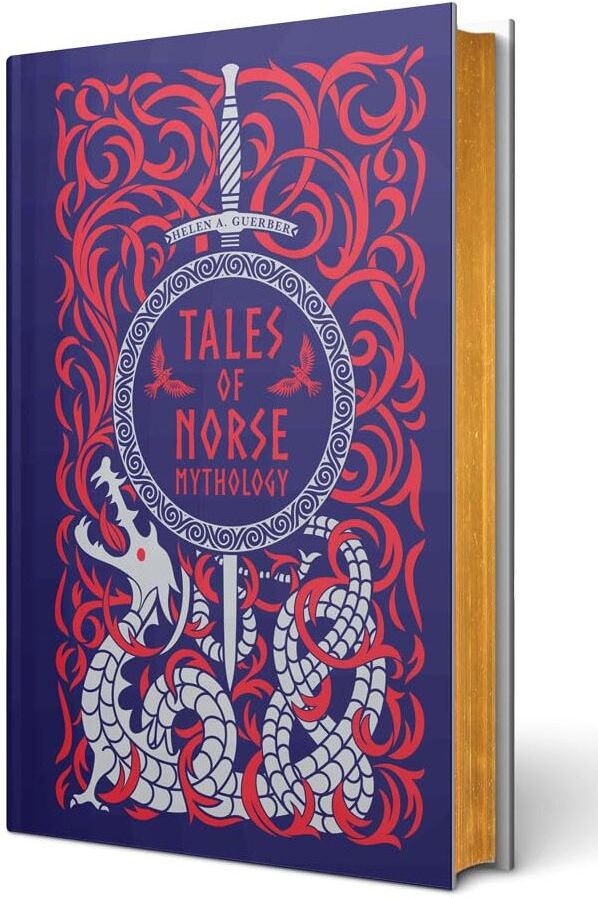
Wilco International LLP Tales Of Norse Mythology by Helen A. Guerber (Leather-bound)H. A. Guerber chronicles the fascinating Tales of Norse Mythology in this collection. These riveting stories set during the Viking Age tell us about the Scandinavians who delved into the unknown by crafting sagas. Guerber, a folklorist, resurrects the deities, giants, dwarves, warriors, and monsters of these tales. These legends, spanning from humorous to tragic, recount themes such as passion, love, camaraderie, pride, bravery, power, devotion, and treachery.8,99 £*Shipping: 2,99 £Secure redirect to the provider
-
Arcturus Classic Tales Of Detection And AdventureContaining one of the best known and best loved detective novels of all time - The Murders in the Rue Morgue - this entertaining collection of Poe's work shows why he was considered a master of mystery. Also included in the book is The Mystery of Marie Rogêt, which was a sequel to the thrilling Murders in the Rue Morgue, as well as three other tales of detection and adventure, including "Thou Art the Man!", "The Purloined Letter" and "The Unparelleled Adventure of One Hans Pfaall". Such was the influence of these works that the Mystery Writers of America named their awards after Poe and called them the Edgars.4,99 £*Shipping: 1,99 £Secure redirect to the provider
-
Disney Magnus Chase & Trials of Apollo 2 Book Set by Rick Riordan – Mythology Adventure CollectionRick Riordon Deluxe 2 Books Collection Set Description Magnus Chase And The Gods Of Asgard Magnus Chase has always been a troubled kid. Since his mother's mysterious death; he's lived alone on the streets of Boston; surviving by his wits; keeping one step ahead of the police and the truant officers. One day; he's tracked down by an uncle he barely knows-a man his mother claimed was dangerous. Uncle Randolph tells him an impossible secret: Magnus is the son of a Norse god The Viking myths are true. The gods of Asgard are preparing for war. Trolls; giants and worse monsters are stirring for doomsday. To prevent Ragnarok; Magnus must search the Nine Worlds for a weapon that has been lost for thousands of years. When an attack by fire giants forces him to choose between his own safety and the lives of hundreds of innocents; Magnus makes a fatal decision. Sometimes; the only way to start a new life is to die The Trials Of Apollo (Book Two) The Dark Prophecy The second title in Rick Riordan's Trials of Apollo series - set in the action-packed world of Percy Jackson. The god Apollo; cast down to earth and trapped in the form of a gawky teenage boy as punishment; must set off on the second of his harrowing (and hilarious) trials. He and his companions seek the ancient oracles - restoring them is the only way for Apollo to reclaim his place on Mount Olympus - but this is easier said than done. Somewhere in the American Midwest is a haunted cave that may hold answers for Apollo in his quest to become a god again . . . if it doesn't kill him or drive him insane first. Standing in Apollo's way is the second member of the evil Triumvirate a Roman emperor whose love of bloodshed and spectacle makes even Nero look tame. To survive the encounter; Apollo will need the help of a now-mortal goddess; a bronze dragon; and some familiar demigod faces from Camp Half-Blood. With them by his side; can Apollo face down the greatest challenge of his four thousand years of existence4,50 £*Shipping: 1,99 £Secure redirect to the provider
-
What is the language of Benjamin Whorf?
Benjamin Whorf was an American linguist who studied and wrote about the relationship between language, thought, and culture. He is best known for his work on the concept of linguistic relativity, which suggests that the structure and vocabulary of a language can shape the way its speakers perceive and think about the world. Whorf was proficient in several languages, including English, German, French, and classical languages such as Latin and Greek. However, his most significant contributions were in the study of the Native American languages of Mesoamerica, particularly the Hopi language. **
-
How current is the Sapir-Whorf hypothesis?
The Sapir-Whorf hypothesis, also known as linguistic relativity, is still a topic of debate in the field of linguistics and cognitive science. While some researchers argue that language does influence thought and perception, others believe that the relationship between language and cognition is more complex and not as deterministic as the original hypothesis suggests. Recent studies have provided evidence both supporting and challenging the Sapir-Whorf hypothesis, indicating that its current status is still a matter of ongoing research and discussion. **
-
What does the linguistic relativity principle according to Whorf state?
The linguistic relativity principle, also known as the Sapir-Whorf hypothesis, states that the structure and vocabulary of a language can shape or influence the way its speakers perceive and think about the world. This means that the language we speak can influence our thoughts, perceptions, and behaviors. Whorf argued that different languages encode different cultural and cognitive patterns, and that speakers of different languages may therefore perceive and interpret the world in different ways. This hypothesis has been the subject of much debate and research in the fields of linguistics, psychology, and anthropology. **
-
Does the Sapir-Whorf hypothesis really think language shapes reality?
The Sapir-Whorf hypothesis, also known as linguistic relativity, suggests that the structure and vocabulary of a language can shape the way its speakers perceive and think about the world. While some researchers argue that language can influence thought and perception, the extent to which it shapes reality is still a topic of debate. Some studies have shown that language can influence cognitive processes and perception, but it is not the sole determinant of reality. Other factors such as culture, experience, and cognition also play a significant role in shaping an individual's understanding of the world. **
Similar search terms for Whorf
-
Can you provide a concise summary and explanation of the Sapir-Whorf hypothesis?
The Sapir-Whorf hypothesis, also known as linguistic relativity, suggests that the language we speak influences the way we think and perceive the world around us. This theory posits that our language shapes our thoughts, beliefs, and behaviors, and that different languages can lead to different cognitive patterns and worldviews. In essence, the Sapir-Whorf hypothesis argues that language is not just a tool for communication, but a fundamental aspect of how we understand and interpret reality. **
-
What is Dieter Zimmer's stance on the theory of linguistic relativity principle by Whorf?
Dieter Zimmer is critical of the theory of linguistic relativity proposed by Whorf. He argues that Whorf's theory is based on weak evidence and that it overemphasizes the influence of language on thought. Zimmer believes that while language may influence thought to some extent, it is not the determining factor in shaping cognition. He suggests that other factors such as culture, environment, and individual experiences play a more significant role in shaping human cognition. **
-
How does the Sapir-Whorf hypothesis relate to voice message audios? What points of approach and comparison do you see?
The Sapir-Whorf hypothesis suggests that language shapes our thoughts and perceptions of the world. When applied to voice message audios, this hypothesis implies that the language and tone used in the message can influence how the recipient interprets the message. The choice of words, intonation, and emotional cues in a voice message can impact how the message is understood and received. By considering the Sapir-Whorf hypothesis in the context of voice messages, we can analyze how different linguistic and vocal elements affect communication and potentially lead to misunderstandings or clarity in interpersonal interactions. **
-
What is the difference between science fiction, fairy tales, and fantasy?
Science fiction typically involves futuristic or speculative elements, often exploring the impact of technology or scientific advancements on society. Fairy tales are traditional stories often featuring magical elements, fantastical creatures, and moral lessons. Fantasy, on the other hand, encompasses a broader range of stories that take place in imaginary worlds with magical or supernatural elements, but may not necessarily have the same moralistic undertones as fairy tales. While all three genres involve elements of the fantastical, they differ in their settings, themes, and the ways in which they engage with the imagination and the unknown. **
* All prices are inclusive of VAT and, if applicable, plus shipping costs. The offer information is based on the details provided by the respective shop and is updated through automated processes. Real-time updates do not occur, so deviations can occur in individual cases. ** Note: Parts of this content were created by AI.