Buy dastan.eu ?
We are moving the project
dastan.eu .
Are you interested in purchasing the domain
dastan.eu ?
domain@kv-gmbh.de · 0541-91531010
Buy dastan.eu ?
What is the difference between science fiction, fairy tales, and fantasy?
Science fiction typically involves futuristic or speculative elements, often exploring the impact of technology or scientific advancements on society. Fairy tales are traditional stories often featuring magical elements, fantastical creatures, and moral lessons. Fantasy, on the other hand, encompasses a broader range of stories that take place in imaginary worlds with magical or supernatural elements, but may not necessarily have the same moralistic undertones as fairy tales. While all three genres involve elements of the fantastical, they differ in their settings, themes, and the ways in which they engage with the imagination and the unknown. **
Which dwarves appear in fairy tales, myths, and legends?
Dwarves appear in various fairy tales, myths, and legends from different cultures. In Norse mythology, dwarves such as Brokk and Eitri are known for their craftsmanship and forging powerful magical items. In Germanic folklore, dwarves are often depicted as skilled miners and metalworkers. In fairy tales like Snow White and the Seven Dwarfs, characters like Grumpy, Sleepy, and Dopey are popular representations of dwarves. Overall, dwarves are often portrayed as skilled artisans, miners, and magical beings in various cultural stories. **
Similar search terms for Phonics
Top-Angebote
Products related to Phonics:
-
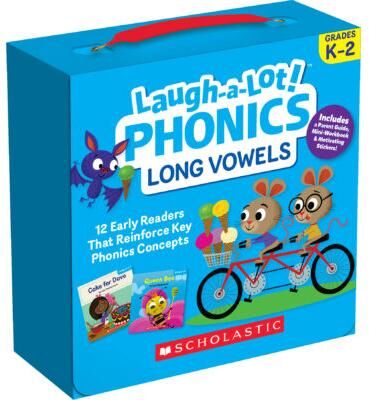
Laugh a Lot Phonics Laugh-A-Lot Phonics: Long Vowels Parent PackLay the foundation for literacy success with this super-engaging set of highly decodable stories! Inside the bright box, you'll find 12 funny books that provide targeted practice with simple, long-vowel words plus a tip-filled parent guide,...23,99 $*Shipping: 0,00 $Secure redirect to the provider
-
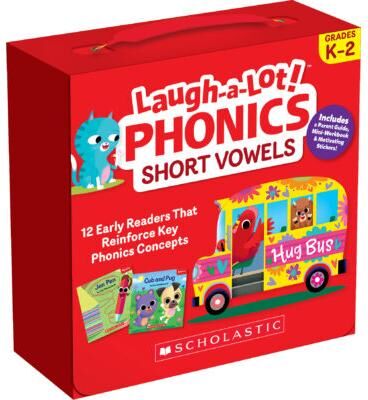
Laugh a Lot Phonics Laugh-A-Lot Phonics: Short Vowels Parent PackGive children the tools they need to soar as readers with this irresistible set of highly decodable stories! Inside the bright box, you'll find 12 funny books that provide targeted practice with simple, short-vowel words plus a tip-filled parent...23,99 $*Shipping: 0,00 $Secure redirect to the provider
-
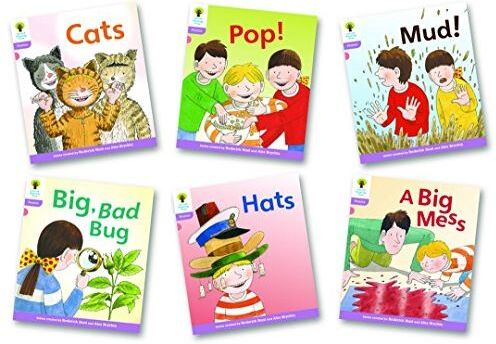
OUP Oxford Oxford Reading Tree: Level 1+: Floppy's Phonics Fiction: Pack of 6Engaging decodable stories fully aligned to Letters and Sounds enable your pupils to practise their phonics skills with their favourite characters. Written by Roderick Hunt and illustrated by Alex Brychta, award-winning creators of the Oxford Reading Tree. Six engaging stories at Level 1+ provide focused practice of phonics at Letters and Sounds Phase 2. Books contain inside cover notes to support children in their reading. Help with childrens reading development is also available at www.oxfordowl.co.uk. There are 6 Floppy's Phonics Fiction titles available at Level 1+: Cats: Kipper is the top cat. Big, Bad Bug: Dad has a big bug! Pop!: Kipper tips the popcorn in. Mud!: There is mud on the dog! Hats: Mum has a mad hat! A Big Mess: There is a big mess on the mat.20,99 £*Shipping: 2,99 £Secure redirect to the provider
-
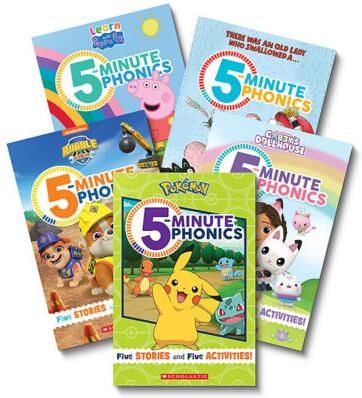
5-Minute Phonics Value PackThe Science of Reading research proves that systematic phonics instruction is the most effective way to teach kids to read. Now caregivers can support these essential phonics skills with simple, engaging stories.Read each story together, sound out...36,99 $*Shipping: 0,00 $Secure redirect to the provider
-
Are there any legends, tales, or myths from Nigeria?
Yes, Nigeria has a rich tradition of legends, tales, and myths that have been passed down through generations. One famous Nigerian legend is the story of the creation of the world by the supreme god, Olorun, and the trickster god, Eshu. There are also tales of powerful spirits and mythical creatures such as the Mami Wata, a water spirit known for her beauty and seductive powers. These stories are often used to teach moral lessons and to explain natural phenomena. Overall, Nigeria's folklore is a vibrant and integral part of its cultural heritage. **
-
Are there spooky tales and legends from the Bergisches Land?
Yes, the Bergisches Land region in Germany is known for its spooky tales and legends. One famous legend is that of the "White Lady of Castle Burg," a ghostly figure said to haunt the castle ruins. Another eerie tale is that of the "Bergisches Schottenmännchen," a mischievous goblin-like creature that is said to roam the forests of the region. These spooky stories add to the mystique and folklore of the Bergisches Land area. **
-
Do you know any short Icelandic legends or fairy tales?
Yes, one short Icelandic legend is the story of the hidden people, or Huldufólk. According to the legend, these hidden people are mystical beings who live in rocks and hills and are said to resemble humans. It is believed that they can bring both good fortune and misfortune to those who encounter them. Another Icelandic fairy tale is the story of the Yule Lads, a group of mischievous creatures who visit children in the 13 nights leading up to Christmas, leaving gifts or rotten potatoes depending on the child's behavior. These tales are an important part of Icelandic folklore and are still widely known and celebrated in the country. **
-
What is the difference between fairy tales, legends, and fables?
Fairy tales are fictional stories that often involve magical elements and are typically set in a fantastical world. They often feature characters such as fairies, witches, and talking animals. Legends are traditional stories that are based on real events or people, but have been exaggerated over time. They often have a moral or lesson attached to them. Fables are short stories that typically feature animals as characters and convey a moral lesson. They are often used to teach children about right and wrong. **

What are the differences between fairy tales, myths, legends, and folktales?
Fairy tales are fictional stories often involving magical elements and typically have a moral lesson. Myths are traditional stories that explain natural phenomena, religious beliefs, or historical events, often involving gods and heroes. Legends are stories based on real events or people but have been exaggerated over time. Folktales are traditional stories passed down orally within a culture, often teaching a lesson or explaining cultural beliefs. Each genre has its own unique characteristics and serves different purposes within a culture. **
What are the differences between fairy tales, myths, legends, and sagas?
Fairy tales are fictional stories often involving magical elements and typically aimed at children. Myths are traditional stories that explain natural phenomena, religious beliefs, or historical events, often involving gods and supernatural beings. Legends are stories based on real events or people but have been exaggerated over time, blurring the line between fact and fiction. Sagas are long, detailed narratives that recount the heroic deeds of a group of people or a historical event, often passed down orally before being written down. **
Top-Angebote
Products related to Phonics:
-
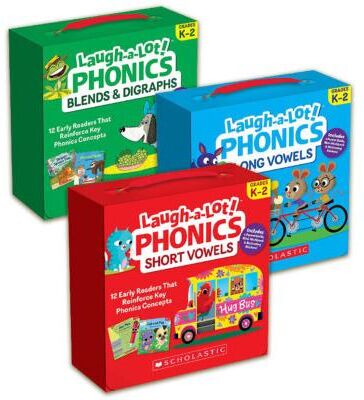
Laugh a Lot Phonics Laugh-a-Lot Phonics CollectionThese funny books provide targeted practice with simple, long-vowel words plus tip-filled parent guides, mini-workbooks, and motivating stickers. That's everything a child needs to grow into a confident, fluent, joyful reader.This set...56,07 $*Shipping: 0,00 $Secure redirect to the provider
-
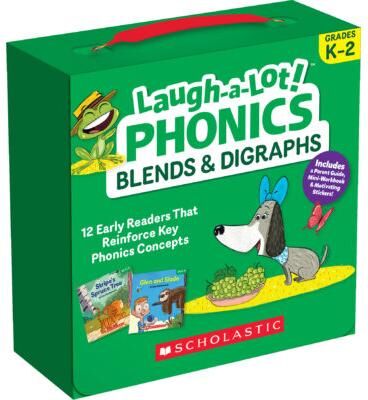
Laugh a Lot Phonics Laugh-A-Lot Phonics: Blends & Digraphs Parent PackSet children on the road to literacy success with these playful, highly decodable stories! Inside this bright box, you'll find 12 funny books that provide targeted practice with must-know blends and digraphs plus a tip-filled parent guide,...23,99 $*Shipping: 0,00 $Secure redirect to the provider
-
Laugh a Lot Phonics Laugh-A-Lot Phonics: Long Vowels Parent PackLay the foundation for literacy success with this super-engaging set of highly decodable stories! Inside the bright box, you'll find 12 funny books that provide targeted practice with simple, long-vowel words plus a tip-filled parent guide,...23,99 $*Shipping: 0,00 $Secure redirect to the provider
-
Laugh a Lot Phonics Laugh-A-Lot Phonics: Short Vowels Parent PackGive children the tools they need to soar as readers with this irresistible set of highly decodable stories! Inside the bright box, you'll find 12 funny books that provide targeted practice with simple, short-vowel words plus a tip-filled parent...23,99 $*Shipping: 0,00 $Secure redirect to the provider
-
What is the difference between science fiction, fairy tales, and fantasy?
Science fiction typically involves futuristic or speculative elements, often exploring the impact of technology or scientific advancements on society. Fairy tales are traditional stories often featuring magical elements, fantastical creatures, and moral lessons. Fantasy, on the other hand, encompasses a broader range of stories that take place in imaginary worlds with magical or supernatural elements, but may not necessarily have the same moralistic undertones as fairy tales. While all three genres involve elements of the fantastical, they differ in their settings, themes, and the ways in which they engage with the imagination and the unknown. **
-
Which dwarves appear in fairy tales, myths, and legends?
Dwarves appear in various fairy tales, myths, and legends from different cultures. In Norse mythology, dwarves such as Brokk and Eitri are known for their craftsmanship and forging powerful magical items. In Germanic folklore, dwarves are often depicted as skilled miners and metalworkers. In fairy tales like Snow White and the Seven Dwarfs, characters like Grumpy, Sleepy, and Dopey are popular representations of dwarves. Overall, dwarves are often portrayed as skilled artisans, miners, and magical beings in various cultural stories. **
-
Are there any legends, tales, or myths from Nigeria?
Yes, Nigeria has a rich tradition of legends, tales, and myths that have been passed down through generations. One famous Nigerian legend is the story of the creation of the world by the supreme god, Olorun, and the trickster god, Eshu. There are also tales of powerful spirits and mythical creatures such as the Mami Wata, a water spirit known for her beauty and seductive powers. These stories are often used to teach moral lessons and to explain natural phenomena. Overall, Nigeria's folklore is a vibrant and integral part of its cultural heritage. **
-
Are there spooky tales and legends from the Bergisches Land?
Yes, the Bergisches Land region in Germany is known for its spooky tales and legends. One famous legend is that of the "White Lady of Castle Burg," a ghostly figure said to haunt the castle ruins. Another eerie tale is that of the "Bergisches Schottenmännchen," a mischievous goblin-like creature that is said to roam the forests of the region. These spooky stories add to the mystique and folklore of the Bergisches Land area. **
Similar search terms for Phonics
-
OUP Oxford Oxford Reading Tree: Level 1+: Floppy's Phonics Fiction: Pack of 6Engaging decodable stories fully aligned to Letters and Sounds enable your pupils to practise their phonics skills with their favourite characters. Written by Roderick Hunt and illustrated by Alex Brychta, award-winning creators of the Oxford Reading Tree. Six engaging stories at Level 1+ provide focused practice of phonics at Letters and Sounds Phase 2. Books contain inside cover notes to support children in their reading. Help with childrens reading development is also available at www.oxfordowl.co.uk. There are 6 Floppy's Phonics Fiction titles available at Level 1+: Cats: Kipper is the top cat. Big, Bad Bug: Dad has a big bug! Pop!: Kipper tips the popcorn in. Mud!: There is mud on the dog! Hats: Mum has a mad hat! A Big Mess: There is a big mess on the mat.20,99 £*Shipping: 2,99 £Secure redirect to the provider
-
5-Minute Phonics Value PackThe Science of Reading research proves that systematic phonics instruction is the most effective way to teach kids to read. Now caregivers can support these essential phonics skills with simple, engaging stories.Read each story together, sound out...36,99 $*Shipping: 0,00 $Secure redirect to the provider
-
First Little Readers: Phonics Set 1Yes, your child can learn to read-and this fun, phonics-packed set of 20 decodable books can help! Each engaging title focuses on a key phonics skill, from short vowels and simple plurals to blends and more. Delightful characters-curious cats,...22,49 $*Shipping: 0,00 $Secure redirect to the provider
-
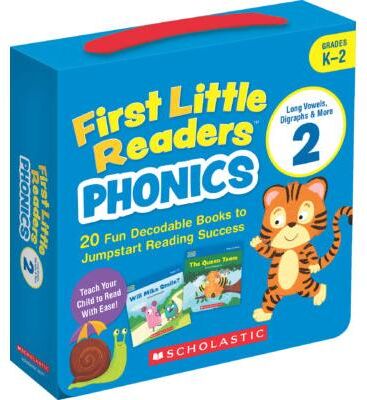
First Little Readers: Phonics Set 2This bright box is packed with 20 decodable tales to help your child learn to read with confidence! Each engaging title focuses on a key phonics skill, from long vowels and vowel teams to digraphs and more. Kid-pleasing characters-nice mice, sleepy...22,49 $*Shipping: 0,00 $Secure redirect to the provider
-
Do you know any short Icelandic legends or fairy tales?
Yes, one short Icelandic legend is the story of the hidden people, or Huldufólk. According to the legend, these hidden people are mystical beings who live in rocks and hills and are said to resemble humans. It is believed that they can bring both good fortune and misfortune to those who encounter them. Another Icelandic fairy tale is the story of the Yule Lads, a group of mischievous creatures who visit children in the 13 nights leading up to Christmas, leaving gifts or rotten potatoes depending on the child's behavior. These tales are an important part of Icelandic folklore and are still widely known and celebrated in the country. **
-
What is the difference between fairy tales, legends, and fables?
Fairy tales are fictional stories that often involve magical elements and are typically set in a fantastical world. They often feature characters such as fairies, witches, and talking animals. Legends are traditional stories that are based on real events or people, but have been exaggerated over time. They often have a moral or lesson attached to them. Fables are short stories that typically feature animals as characters and convey a moral lesson. They are often used to teach children about right and wrong. **
-
What are the differences between fairy tales, myths, legends, and folktales?
Fairy tales are fictional stories often involving magical elements and typically have a moral lesson. Myths are traditional stories that explain natural phenomena, religious beliefs, or historical events, often involving gods and heroes. Legends are stories based on real events or people but have been exaggerated over time. Folktales are traditional stories passed down orally within a culture, often teaching a lesson or explaining cultural beliefs. Each genre has its own unique characteristics and serves different purposes within a culture. **
-
What are the differences between fairy tales, myths, legends, and sagas?
Fairy tales are fictional stories often involving magical elements and typically aimed at children. Myths are traditional stories that explain natural phenomena, religious beliefs, or historical events, often involving gods and supernatural beings. Legends are stories based on real events or people but have been exaggerated over time, blurring the line between fact and fiction. Sagas are long, detailed narratives that recount the heroic deeds of a group of people or a historical event, often passed down orally before being written down. **
* All prices are inclusive of VAT and, if applicable, plus shipping costs. The offer information is based on the details provided by the respective shop and is updated through automated processes. Real-time updates do not occur, so deviations can occur in individual cases. ** Note: Parts of this content were created by AI.